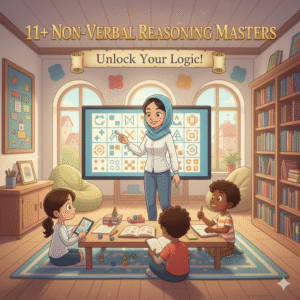
11+ Non Verbal Reasoning

The 11+ Maths exam is a key entrance test used by selective schools to assess your child’s mathematical understanding and problem-solving skills. It covers essential topics such as arithmetic, fractions, decimals, percentages, basic algebra, shape and space, and mathematical reasoning. The exam is designed to test not just memory, but your child’s ability to apply maths concepts in unfamiliar contexts, ensuring readiness for advanced learning. Helping your child prepare thoroughly will give them confidence to tackle challenging questions and maximize their chance of success in the admissions process.

Young boy studying a colorful map outdoors in bright sunlight, wearing a green shirt.
When only the top 20–30% succeed we are your child's competitive advantage.

How we teach the 11+ math's curriculum
 

1. Number & Place Value

We teach students to confidently read, write, and manipulate whole numbers and decimals, building a rock-solid sense of place value. Activities include practical number games, real-life maths examples (like reading large numbers in the news), and rapid-fire comparing exercises for fluency.

2. Arithmetic

Our method uses step-by-step strategies for all core operations. Students practice short and long methods, mental maths hacks, and learn when to estimate versus when to be exact. We teach BIDMAS/BODMAS rules with visual diagrams, so children avoid common calculation mistakes.


3. Fractions, Decimals, & Percentages

We demystify tricky topics by linking fractions, decimals, and percentages visually. Our interactive lessons use pizza-models, number lines, and real money problems, so students see how each part fits together. Pupils solve problems both by hand and in context (e.g., discounts, recipes).

4. Ratio & Proportion

We break down ratio and proportion with clear, real-world examples—sharing sweets, mixing ingredients, or working out map scales. Practice moves from simple problems to multi-step proportional reasoning, preparing students for unfamiliar question types.

5. Algebra (basic)

We introduce algebra as simple puzzles, using missing numbers and fun patterns to show that algebra is just another language for maths. Learners gain confidence constructing and solving equations, then apply these skills to sequences and story problems.

6. Measurement

Our lessons bring measurement to life through hands-on activities: measuring objects, planning imaginary journeys, working with time and schedules. We practice perimeter, area, and volume with clear visual aids and frequent quick-fire questions.

7. Geometry

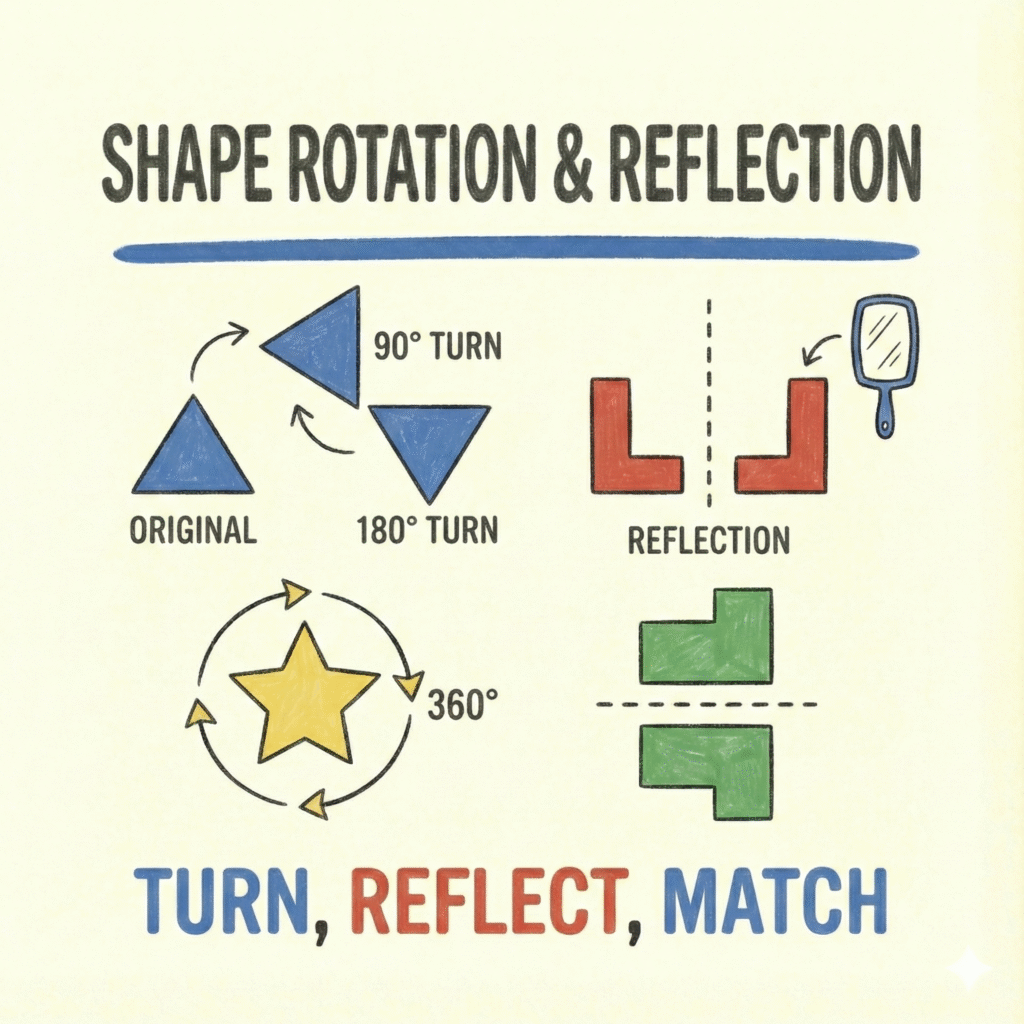
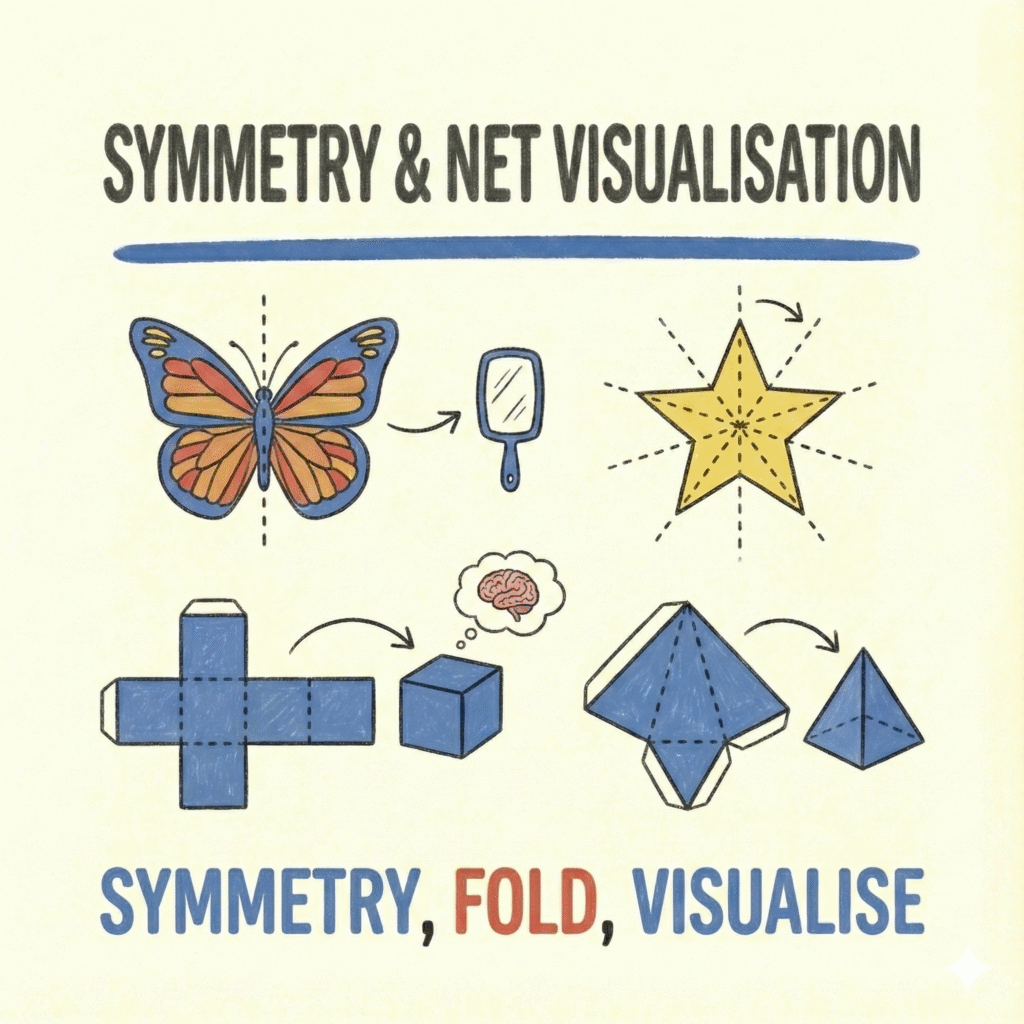
Shape topics are taught with diagrams, models, and interactive drawing tools. Students explore properties of 2D and 3D figures, calculate angles, and discover symmetry using mirrors or digital activities. We make coordinates and transformations practical and engaging.

8. Data Handling & Statistics

We teach students to read and interpret data using colorful charts, real-world surveys, and mini-investigations. Pupils learn how to calculate averages (mean, median, mode, range) and explore probability through games and challenges.

9. Problem Solving

Every lesson includes multi-step problems and reasoning activities. We train pupils to break down complex questions, identify the maths involved, and tackle one step at a time. Weekly practice with word problems builds skills, confidence, and exam readiness.

“Number Secrets Unlocked: Prime, Powers & Negatives Made Easy”

We turn these essential concepts into memorable learning moments, not just flashcards. Using fun pattern-spotting challenges, hands-on games, and clever memory hacks, our students internalize primes, squares, cubes, factors, multiples, and negative numbers—making them second nature.
We spark curiosity by discovering number secrets, exploring shortcut methods, and connecting these ideas to real-life problem solving, so each concept truly sticks and supports higher-level maths for years to come.

Key
statistics

Maths pass rate without Takween
0 %
Children per space
0
more likely to be accepted with takween
0 x

Your questions answered

Common questions

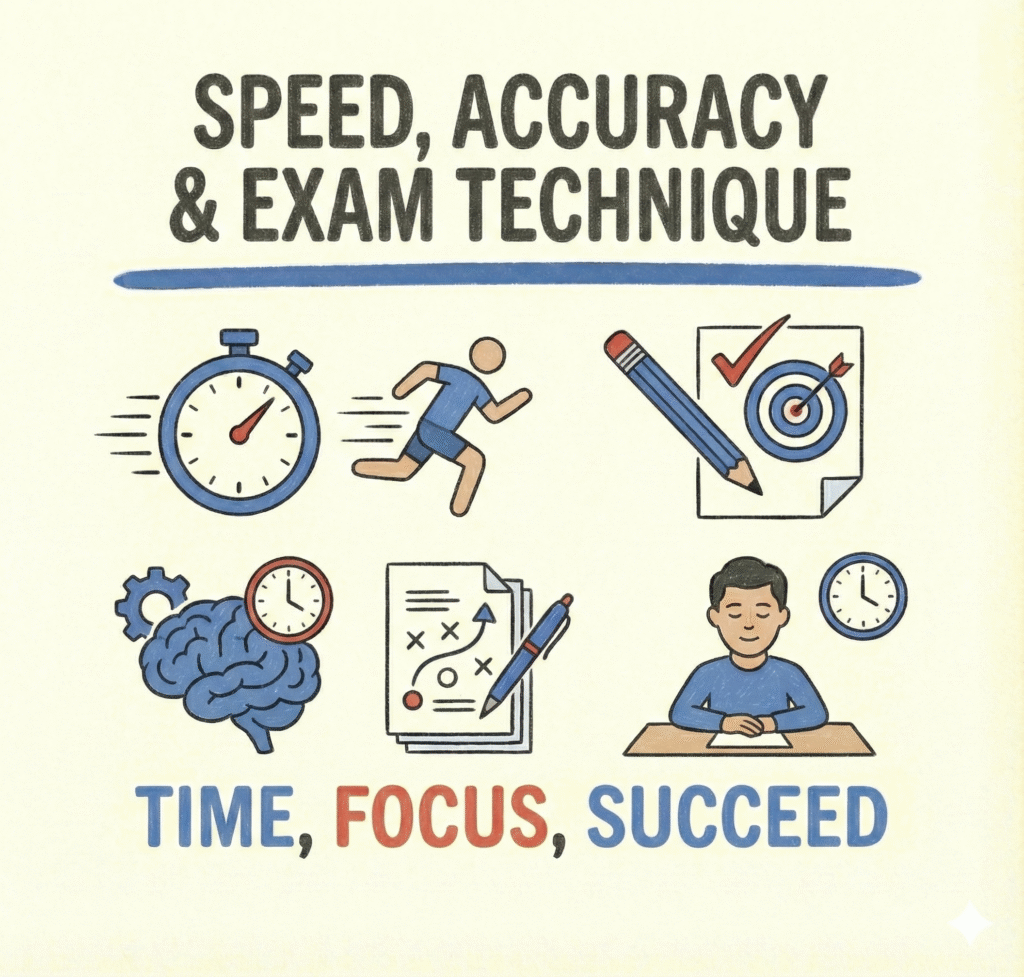
The 11+ tests well beyond school curriculum and includes unfamiliar question types. Even mathematically gifted children benefit from exam-specific preparation, advanced problem-solving techniques, and time management strategies.

While we cannot guarantee outcomes (admission depends on competition levels and other factors), our tutoring significantly improves performance. Statistics show 75% of tutored students score in the top quartile versus 30% of non-tutored students.

They combine superior subject expertise, firsthand experience with selective admissions, pedagogical training from world-leading universities, and proven track records achieving exceptional student outcomes.

Our premium 1:1 tutoring costs more per session than group options but delivers superior results per hour invested. When you consider the life-changing impact of grammar school admission, the ROI far exceeds the initial investment.

Yes. Our tutors excel at meeting students where they are—whether building foundational confidence or challenging already-strong mathematicians with advanced problem-solving.

We provide regular progress reports with specific metrics, mock exam scores tracking toward threshold requirements, and transparent communication about readiness levels.

Login
Log in below to access your courses.
Forgot Password
Enter your email address or username and we'll send you instructions to reset your password.