
11+ Verbal Reasoning
The 11+ Verbal Reasoning exam is a key entrance test used by selective schools to assess your child’s ability to understand, analyse, and work with language-based and logic-based information. It covers essential skills such as word relationships, synonyms and antonyms, codes, sequences, analogies, and logical problem-solving. The exam is designed to test not just vocabulary knowledge, but your child’s ability to recognise patterns, think critically, and apply reasoning skills under timed conditions. Preparing thoroughly will help your child develop confidence, improve speed and accuracy, and maximise their chances of success in the admissions process.
11+ Verbal reasoning 1:1 tuition
11+ Verbal reasoning 2:1
11+ verbal reasoning 3:1 Tuition
11+ verbal reasoning 5:1
11+ Verbal reasoning 6:1
11+ Verbal reasoning 10:1

How we teach the 11+ verbal reasoning curriculum
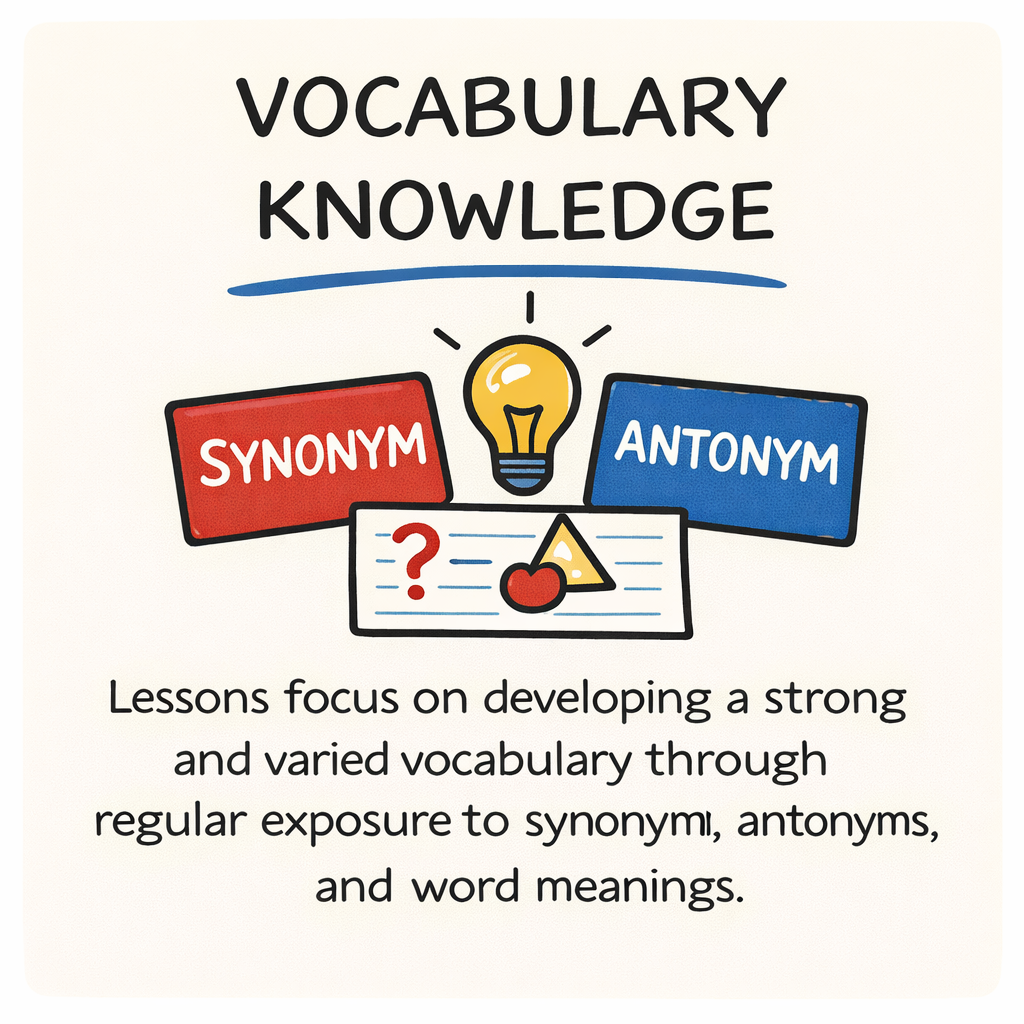
1.Vocabulary Knowledge
Lessons focus on developing a strong and varied vocabulary through regular exposure to synonyms, antonyms, and word meanings. Pupils learn strategies to work out unfamiliar words using context clues and word roots. Consistent practice improves understanding, accuracy, and confidence in word-based questions.
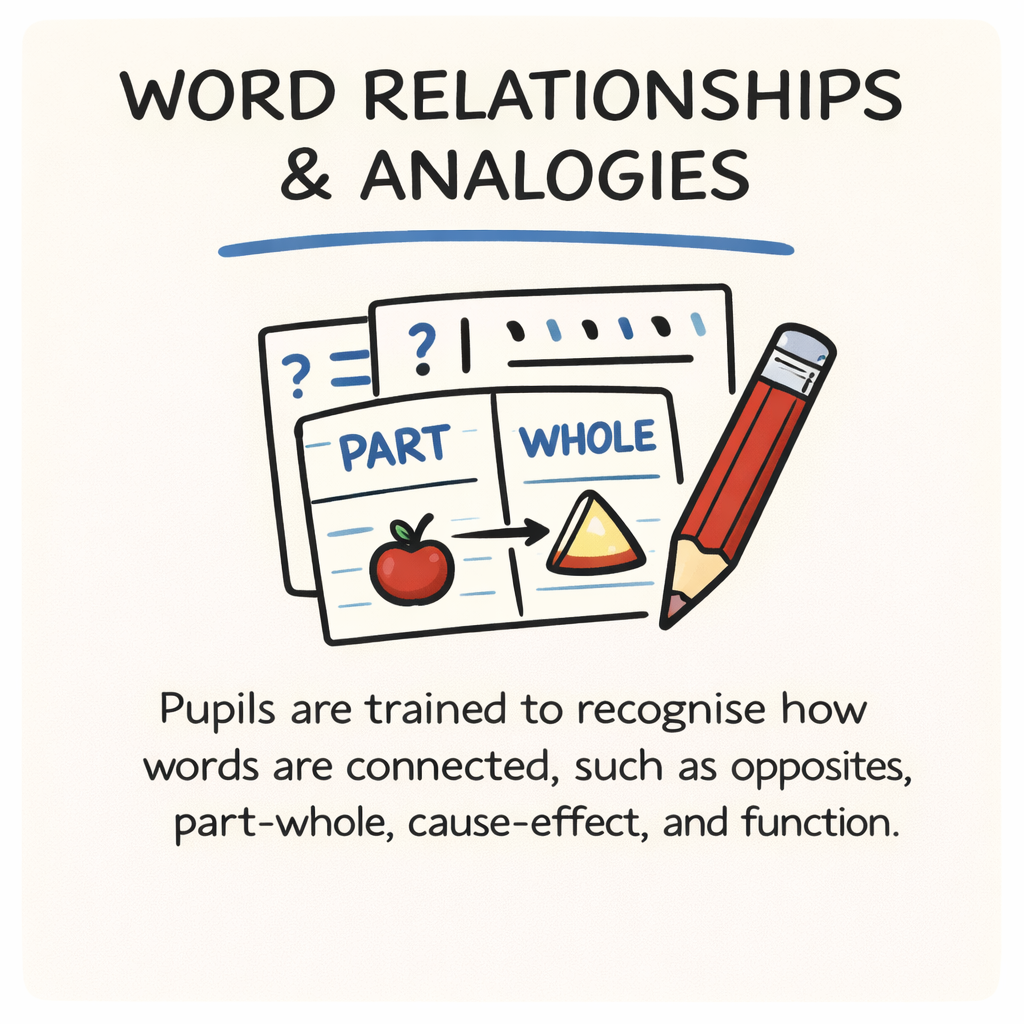
2. Word Relationships & Analogies
Pupils are trained to recognise how words are connected, such as opposites, part–whole, cause–effect, and function. Lessons include step-by-step methods to identify the relationship before selecting the correct answer. This builds logical thinking and reduces guesswork in analogy questions.
3. Codes and Ciphers
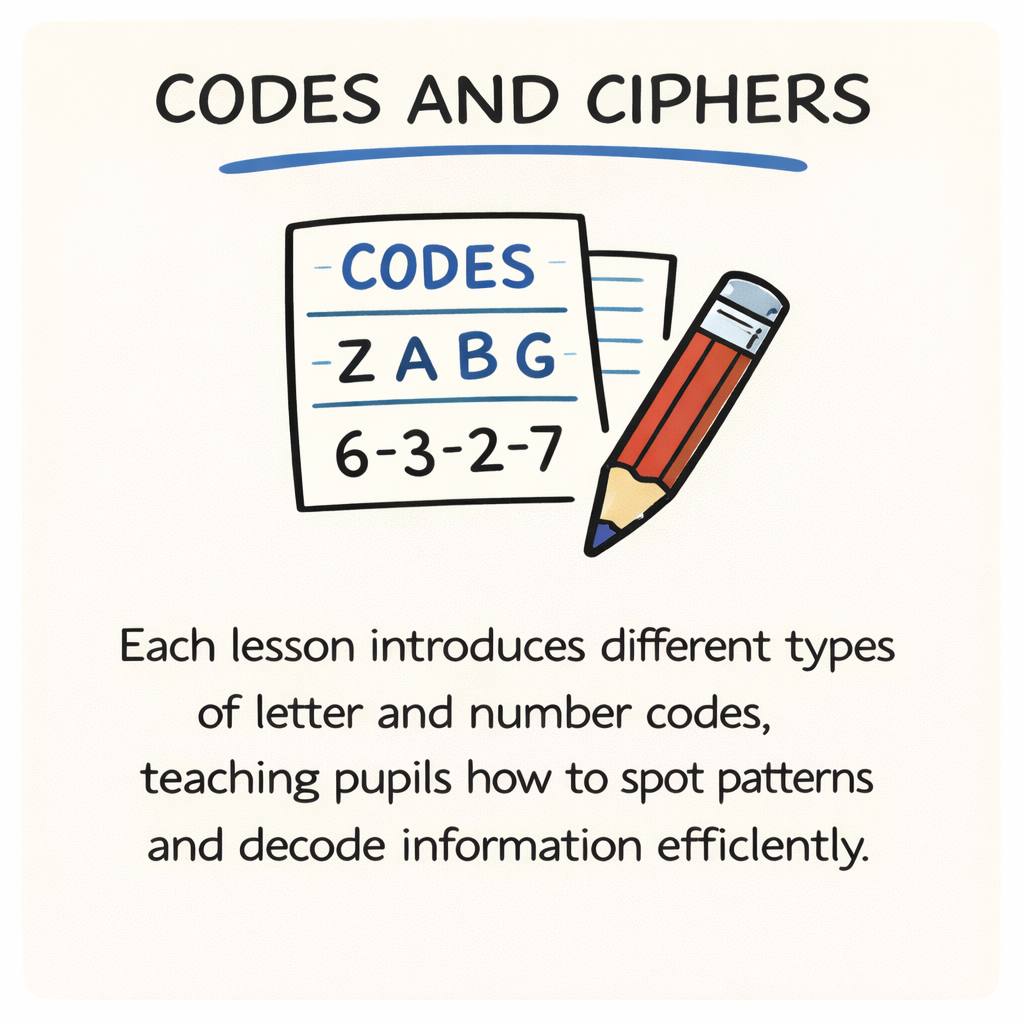
Each lesson introduces different types of letter and number codes, teaching pupils how to spot patterns and decode information efficiently. Children practise translating words into codes and reversing codes back into words. Regular repetition helps improve speed and accuracy under exam conditions.
4. Sequences and Patterns
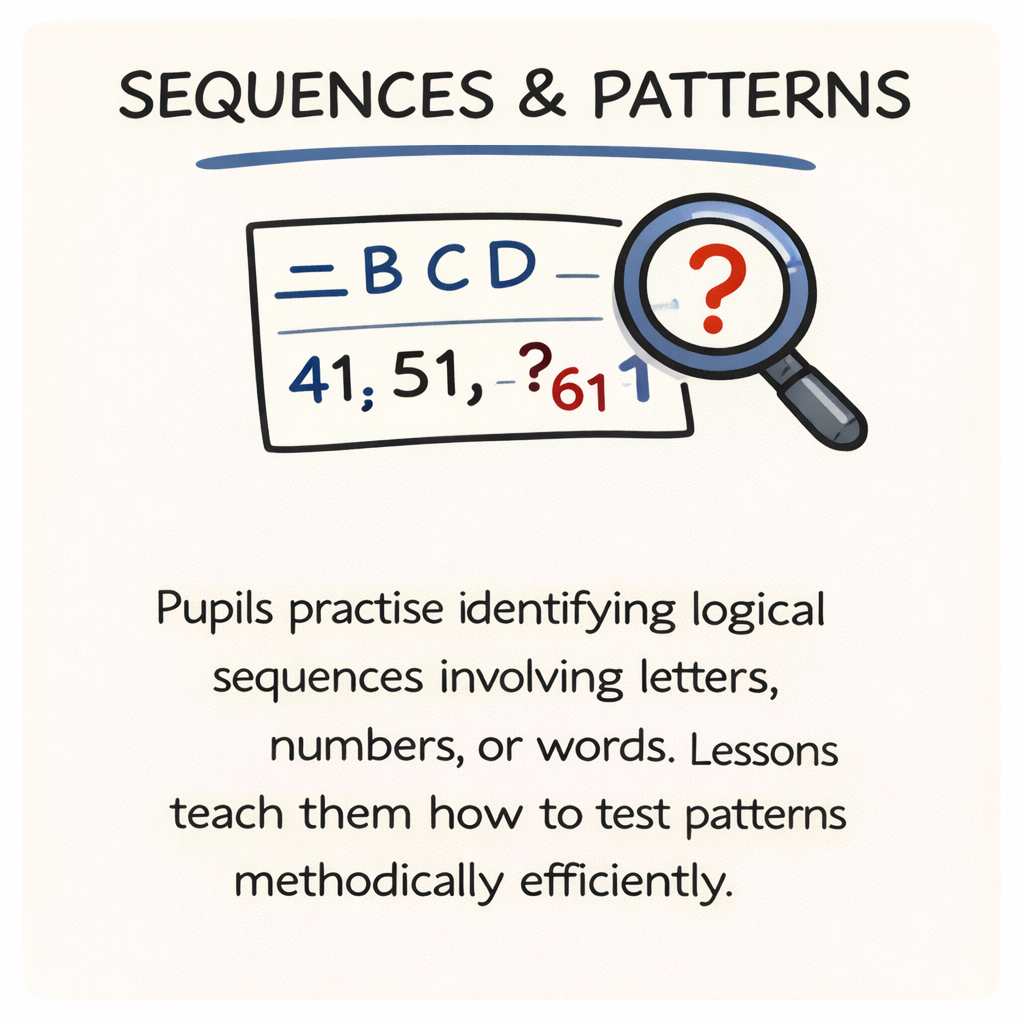
Pupils practise identifying logical sequences involving letters, numbers, or words. Lessons teach them how to test patterns methodically and eliminate incorrect options. This structured approach helps pupils stay calm and confident when faced with unfamiliar sequences.
5. Logic and Deduction
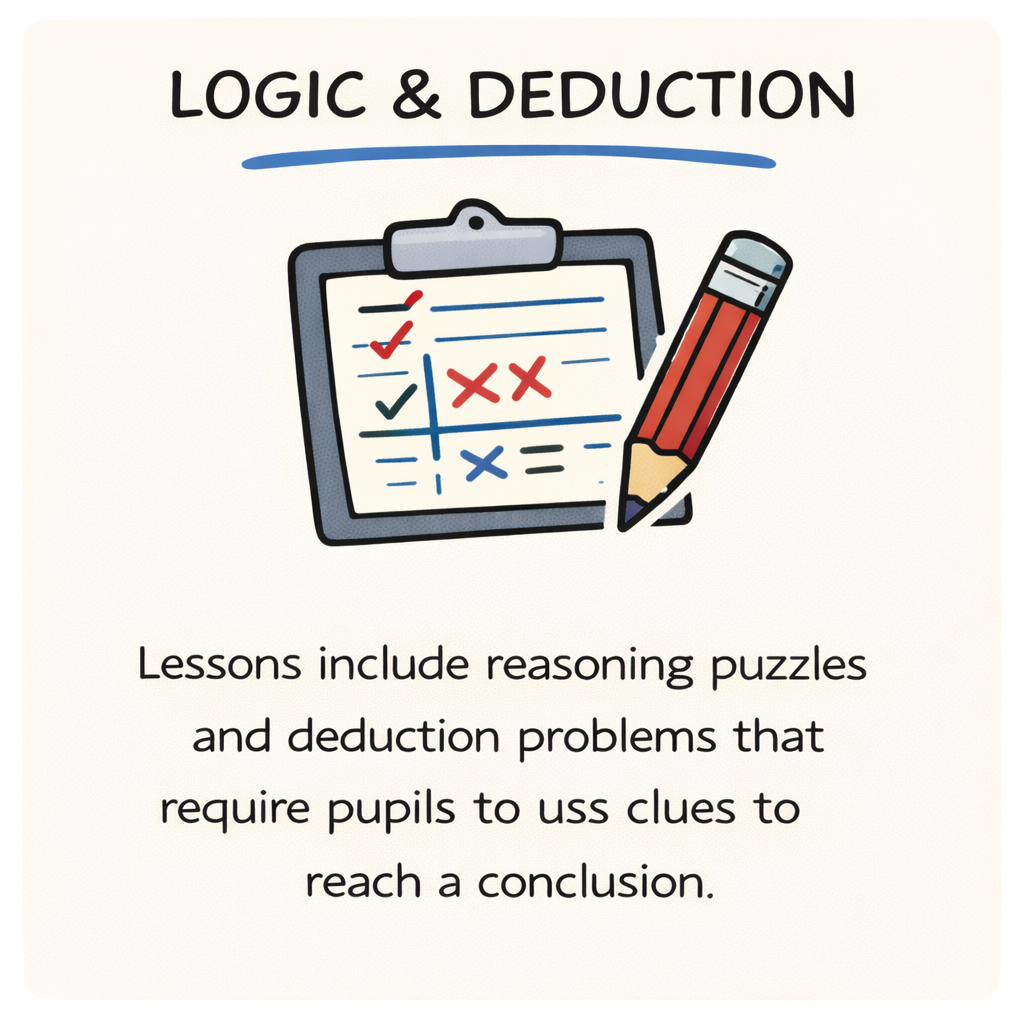
Lessons include reasoning puzzles and deduction problems that require pupils to use clues to reach a conclusion. Children are taught to break down information, rule out impossibilities, and think logically step by step. This strengthens problem-solving skills essential for higher-level verbal reasoning questions.
6. Classification
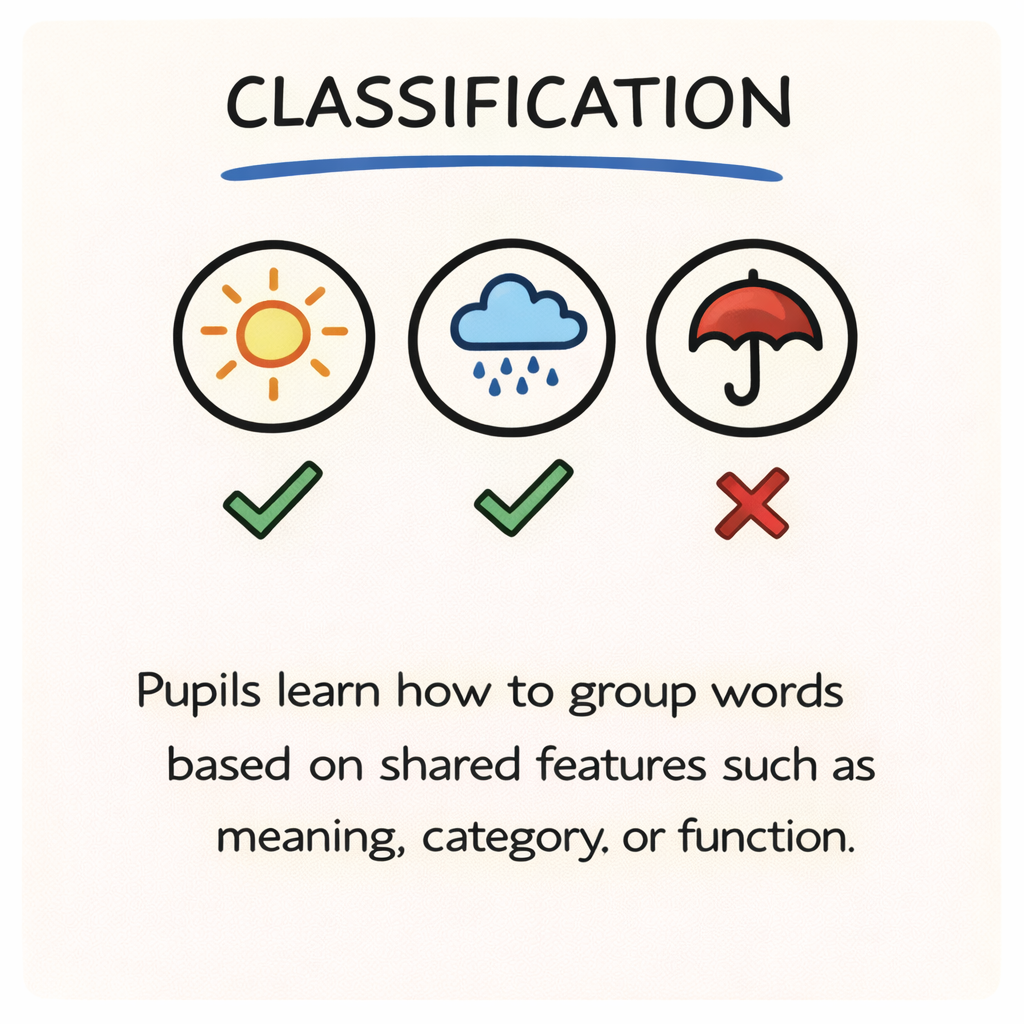
Pupils learn how to group words based on shared features such as meaning, category, or function. Lessons focus on identifying the odd one out by carefully comparing all options. This builds attention to detail and sharpens analytical thinking.
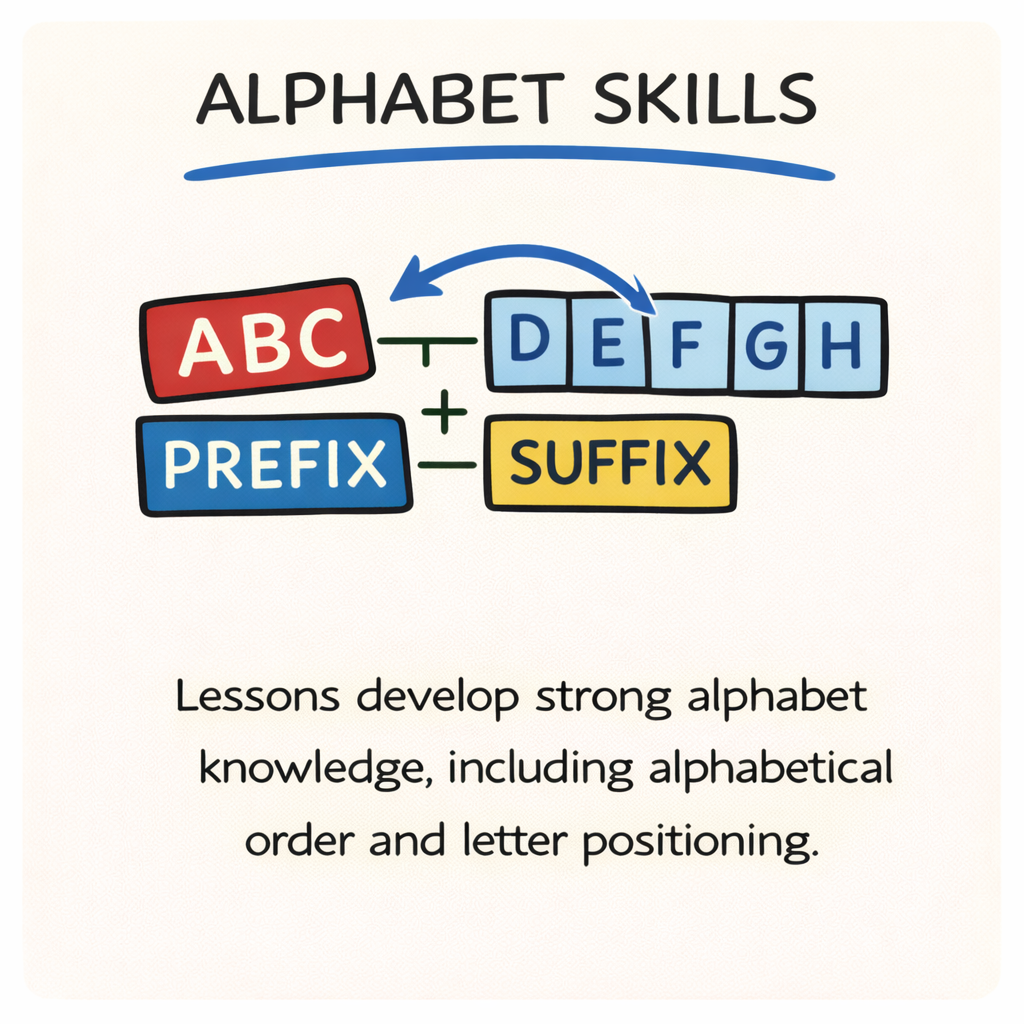
7. Alphabet Skills
Lessons develop strong alphabet knowledge, including alphabetical order and letter positioning. Pupils practise moving forwards and backwards through the alphabet quickly and accurately. These skills are essential for solving many timed verbal reasoning questions efficiently.
Key
statistics


Your questions answered
Common questions
What if my child is already strong in Maths?
The 11+ tests well beyond school curriculum and includes unfamiliar question types. Even mathematically gifted children benefit from exam-specific preparation, advanced problem-solving techniques, and time management strategies.
Can you guarantee grammar school admission?
While we cannot guarantee outcomes (admission depends on competition levels and other factors), our tutoring significantly improves performance. Statistics show 75% of tutored students score in the top quartile versus 30% of non-tutored students.
Why are Oxbridge-educated tutors better?
They combine superior subject expertise, firsthand experience with selective admissions, pedagogical training from world-leading universities, and proven track records achieving exceptional student outcomes.
How does pricing compare to other options?
Our premium 1:1 tutoring costs more per session than group options but delivers superior results per hour invested. When you consider the life-changing impact of grammar school admission, the ROI far exceeds the initial investment.
Do you work with students at all ability levels?
Yes. Our tutors excel at meeting students where they are—whether building foundational confidence or challenging already-strong mathematicians with advanced problem-solving.
How do we know if our child is making progress?
We provide regular progress reports with specific metrics, mock exam scores tracking toward threshold requirements, and transparent communication about readiness levels.